Python for Statistical Analysis Certification Programs
Five practical Python certification paths compared—costs, skills, and career impact to help you pick the right data-analysis credential.
Python certifications can boost your career, especially in data analytics and statistical analysis. With over 84,000 analytics job openings in the U.S. and median salaries of $134,000, these certifications help validate your skills and stand out in competitive markets. Here’s a quick look at five popular Python certification programs:
- DataCamp Python Data Associate Certification: Affordable ($25/month), self-paced, hands-on with tools like pandas and Matplotlib. Focused on entry-level roles.
- Python Institute PCAP Certification: One-time cost (~$295), tests Python fundamentals like functions and OOP. Prepares for advanced certifications.
- Coursera Python for Everybody Specialization: Beginner-friendly, $49/month, covers Python basics and practical projects. Ideal for newcomers.
- DataCamp Data Analyst in Python Track: Subscription-based ($25/month), teaches data manipulation, SQL, and visualization. Builds a project portfolio.
- BrainStation Data Science Certification: Higher cost, live instruction, advanced statistical modeling, and career coaching. Aimed at career transitions or advancements.
Each program caters to different needs, from beginners to professionals seeking advanced skills. Choose based on your goals, budget, and preferred learning style.
Quick Comparison
| Program | Cost (USD) | Duration | Key Focus | Best For |
|---|---|---|---|---|
| DataCamp Python Data Associate | $25/month | ~30 hours (self-paced) | Hands-on Python for data analysis | Entry-level learners |
| Python Institute PCAP | ~$295 total | 2–6 months (self-paced) | Core Python fundamentals | Those building a foundation |
| Coursera Python for Everybody | $49/month | 3–6 months | Python basics, practical projects | Beginners |
| DataCamp Data Analyst Track | $25/month | Varies (self-paced) | Data analysis, SQL, visualization | Aspiring data analysts |
| BrainStation Data Science | Higher cost | 12–24 weeks | Advanced statistics, career coaching | Career changers |
Once certified, platforms like Scale.jobs can help optimize your job applications, saving time and boosting your career prospects.
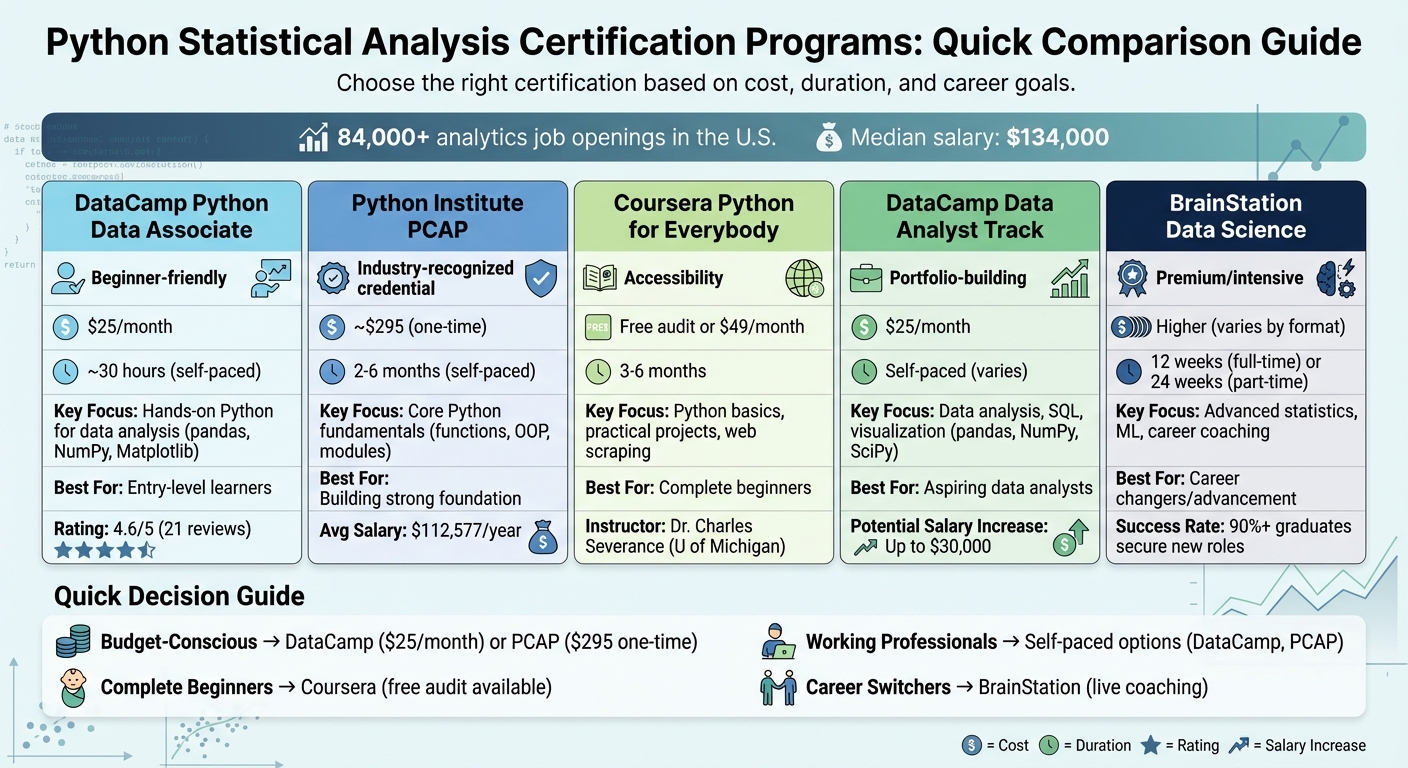
Python Statistical Analysis Certification Programs Comparison 2024
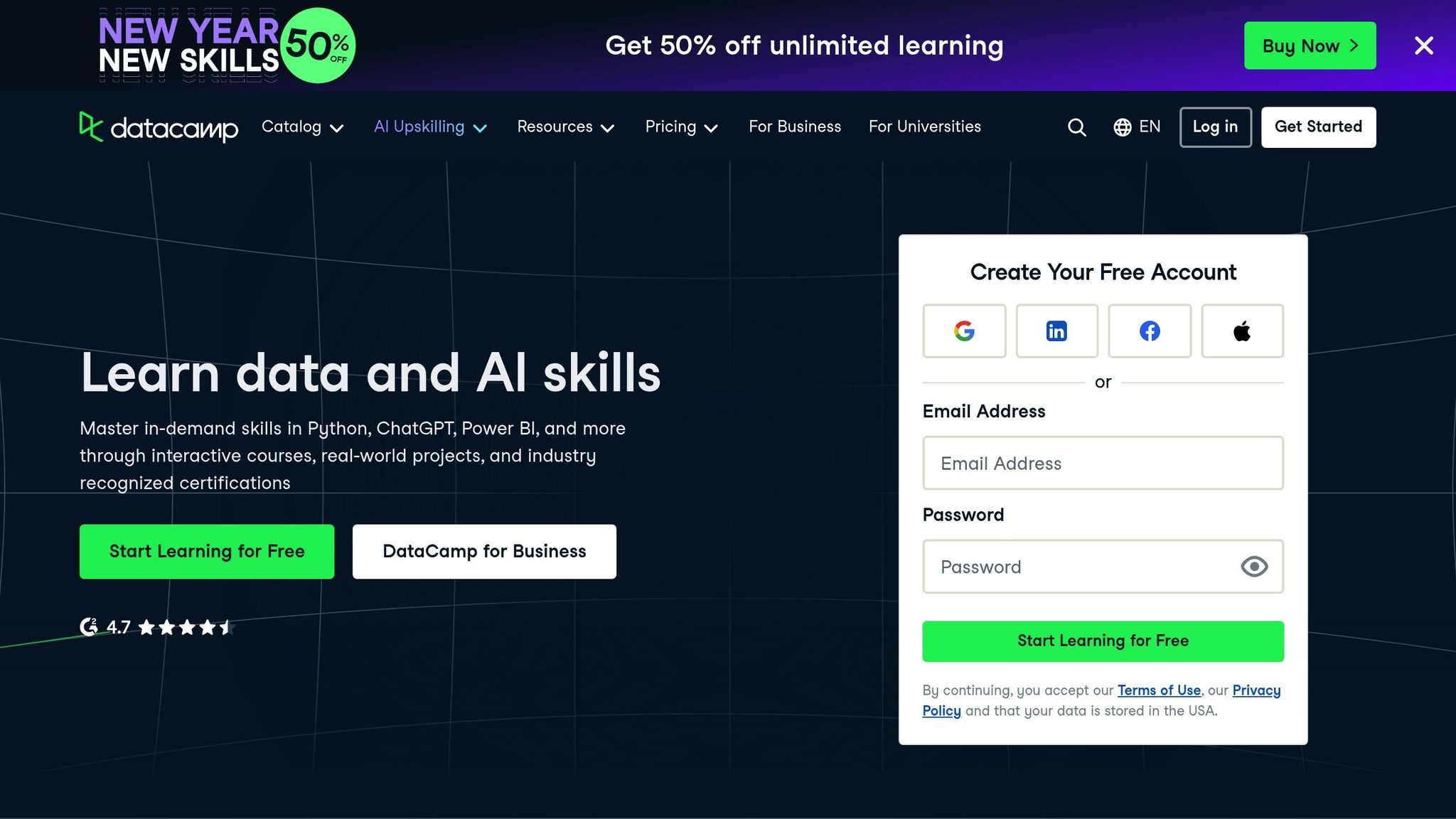
1. DataCamp Python Data Associate Certification
Cost (USD)
DataCamp's Premium Membership is priced at $25 per month and includes the certification at no additional cost. Compared to certifications like the Python Institute's PCAP, which costs $259–$350 per attempt, this subscription model is much easier on your wallet. Plus, it’s a great deal if you’re planning to earn multiple certifications within a few months, as it also provides full access to their learning resources.
Duration
The preparation track takes about 30 hours to complete, though the actual time depends on your schedule. Since the program is self-paced and online, it’s easy to fit into even the busiest routines. The certification process involves two key assessments: a timed exam (PY101) on data management and visualization, and a practical exam (PY501P) where you solve a real-world business problem. If you don’t pass on your first try, you’ll need to wait 14 days before retaking the exam.
Curriculum Focus
This program emphasizes hands-on data analysis skills. You’ll work with tools like pandas, NumPy, and SciPy for data manipulation, and Matplotlib and Seaborn for creating visualizations. The curriculum also covers data cleaning, importing data from APIs or the web, and using SQL for database queries. Unlike some certifications that simply confirm course completion, this one tests your ability to apply Python skills to practical challenges.
The Python Data Fundamentals track provides a structured learning experience, building one skill at a time. Shoebur Rahman, a Procurement Specialist at Giz Bangladesh, shared his experience:
"The tracks helped me complete my journey without feeling lost. Each course builds on the last, keeping me motivated and on track."
Career Outcomes
Earning this certification can boost your professional credibility, particularly on platforms like LinkedIn. It’s tailored for entry-level data roles or positions that require Python skills, even in non-technical fields. The Data Scientist in Python track has received a 4.6 out of 5 rating from 21 reviews. While the certification can help you get past HR filters, hiring managers often look for a strong GitHub portfolio and a professional resume as well. Chioma Ezeamii, a Data Analyst at First City Monument Bank, reflected on her journey:
"DataCamp helped me transition from someone curious about data to someone actively applying these skills in my job." If you're looking to transition into a new role, you can land jobs faster with human assistants who handle the application process for you.
Next, we’ll take a closer look at the Python Institute PCAP Certification to help you weigh your options.
2. Python Institute PCAP Certification
Cost (USD)
The PCAP exam costs between $259 and $295 per attempt. If you opt for retake bundles or practice tests, the total can climb to about $345–$359. In the United States, testing centers generally charge around $350. Unlike subscription-based programs, the PCAP is a one-time fee exam, but it doesn’t include study materials - you’ll need to source or purchase those separately.
Duration
On average, it takes 2 to 6 months to prepare for the PCAP exam, depending on your prior experience with Python. The certification is self-paced, so you can study and take the test whenever you're ready. You have the option to sit for the exam online or at a Pearson VUE testing center. While the entry-level PCEP certification isn’t mandatory, it’s a smart starting point to build your Python basics before tackling the more complex topics covered in the PCAP. This flexible approach lets you strengthen your skills over time.
Curriculum Focus
The PCAP certification tests your understanding of functions, modules, packages, and object-oriented programming. You’ll need to know how to define functions, manage exceptions, and work with classes and objects. While this certification doesn’t dive into statistical analysis, it lays the groundwork for using libraries like Pandas, NumPy, and SciPy. The exam is multiple-choice, and you’ll need a score of around 70% to pass. By mastering these core concepts, you’ll be well-prepared for more advanced Python applications.
Career Outcomes
PCAP-certified professionals earn an average salary of about $112,577 per year. But as Dice Career Advice highlights, certifications are just one piece of the puzzle:
"Certs are a good way to get past ATS and HR filters, but your GitHub portfolio is what gets you the job."
While the PCAP isn’t specifically designed for statistical analysis, it gives you a strong Python foundation, which is essential for working with advanced tools. It also serves as a stepping stone to higher-level certifications like PCPP1 and PCPP2, which cost around $195 each. If your goal is to specialize in data analysis, the PCAP ensures you’re proficient in Python fundamentals before diving into more specialized tools and techniques.
3. Coursera Python for Everybody Specialization
Cost (USD)
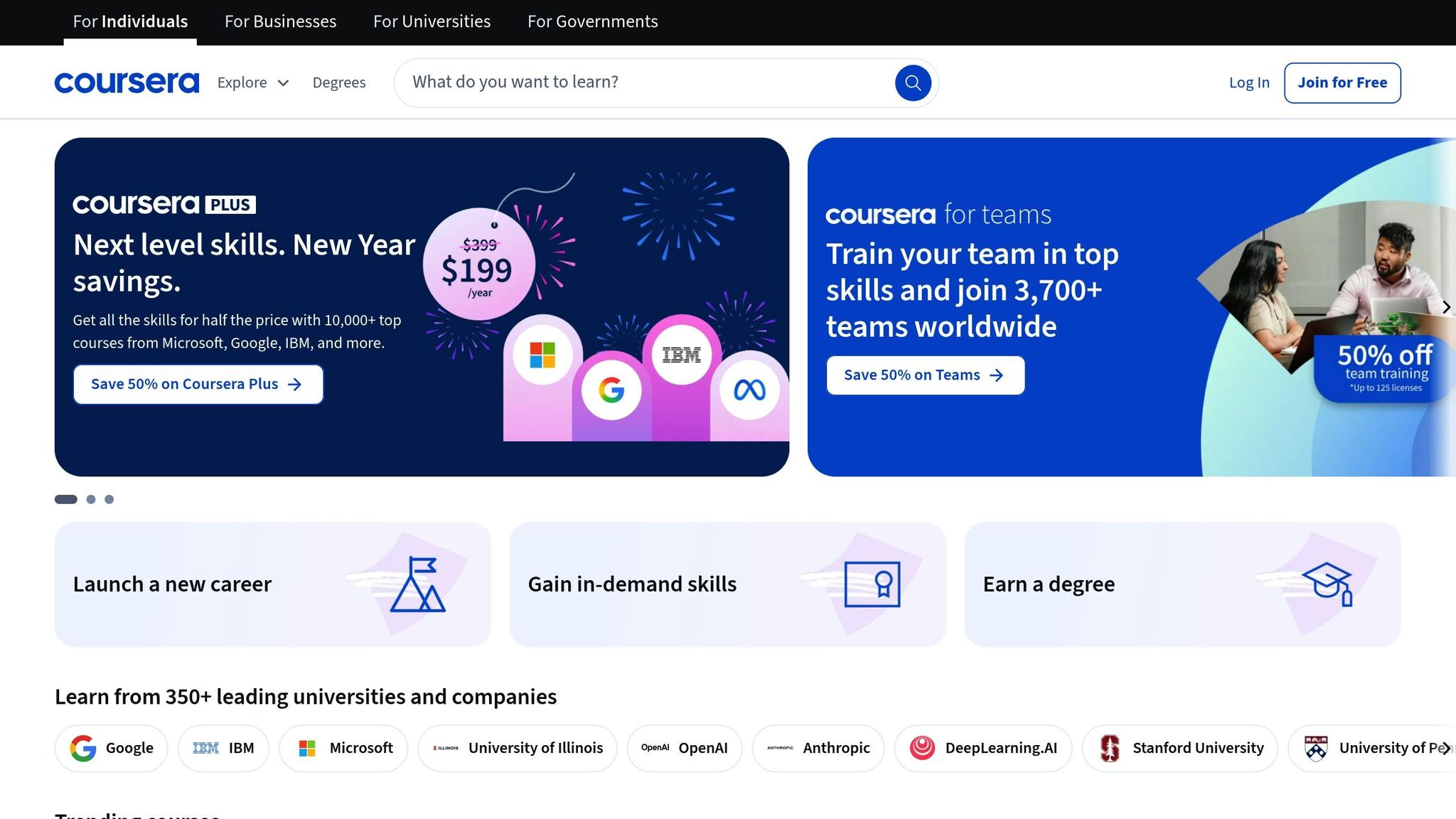
Coursera's Python for Everybody Specialization is offered through a monthly subscription, making it flexible and accessible. It includes a 7-day free trial, and you'll be billed monthly until you complete the program. The total cost depends on how quickly you finish - so the faster you progress, the less you'll pay. Financial aid and scholarships are also available for those who qualify.
Duration
This specialization is self-paced, giving you the freedom to learn on your schedule. Most learners complete it in about 3 to 6 months. All course materials are available online, so you can study whenever and wherever it works best for you.
Curriculum Focus
The program dives into the essentials of Python, covering topics like data structures, web scraping, file handling, APIs, and SQL databases. It emphasizes hands-on learning through practical projects that let you apply your skills in real-world scenarios. Taught by Dr. Charles Severance from the University of Michigan, the courses are beginner-friendly and designed to build a solid foundation. This practical approach ensures you're ready to tackle challenges in entry-level roles.
Career Outcomes
While this specialization won't directly land you a high-paying job, it’s an excellent starting point for those new to programming or transitioning into tech. Completing the program equips you with the skills needed for entry-level positions, such as junior data analyst or Python developer. Pairing your certification with a strong GitHub portfolio can further boost your career prospects. Up next, we'll review another program that focuses on Python for statistical analysis.
4. DataCamp Data Analyst in Python Track
Cost (USD)
DataCamp's Data Analyst in Python track offers a career-focused learning path as part of its Premium subscription. For approximately $25 per month (billed annually), you gain unlimited access to all tracks and courses on the platform. Unlike pay-per-course models, this subscription covers a wide range of learning resources. DataCamp occasionally offers discounts, which can make the annual cost even more affordable. With over 18 million users worldwide, it's one of the most popular platforms for data science and analytics training.
Duration
This track is entirely self-paced, letting you tailor your learning schedule to fit your availability. How quickly you complete the program depends on your prior experience and the time you dedicate each week.
Curriculum Focus
The curriculum dives into the essential Python libraries for data analysis, including pandas, NumPy, and SciPy, which are key for data manipulation and statistical computations. It also teaches SQL for managing relational databases, covering skills like joining tables and creating subqueries. You'll explore exploratory data analysis (EDA) and create visualizations using tools such as Matplotlib and Seaborn. Additionally, the program incorporates Git, simulating collaborative workflows common in professional settings. Guided projects throughout the track help you build a portfolio to showcase your skills to potential employers.
Career Outcomes
Completing this track prepares you for entry-level roles like junior data analyst or business intelligence analyst. The program focuses on building skills that are in demand, such as managing end-to-end projects and clearly presenting insights to both technical and non-technical audiences. While DataCamp doesn’t provide specific salary data for this track, other platforms like Dataquest report that learners often see salary increases - some as much as $30,000 - after completing similar career paths. To maximize your job prospects, pair this certification with a strong GitHub portfolio and real-world projects, as emphasized in other programs.
This track serves as a solid foundation for more advanced bootcamp programs, making it an excellent starting point for aspiring data professionals.
5. BrainStation Data Science Certification
Cost (USD)
BrainStation's Data Science Certification comes with a higher price tag compared to subscription-based models. This is because it includes live instruction, career coaching, and structured classes. The exact cost depends on the program format you choose.
Duration
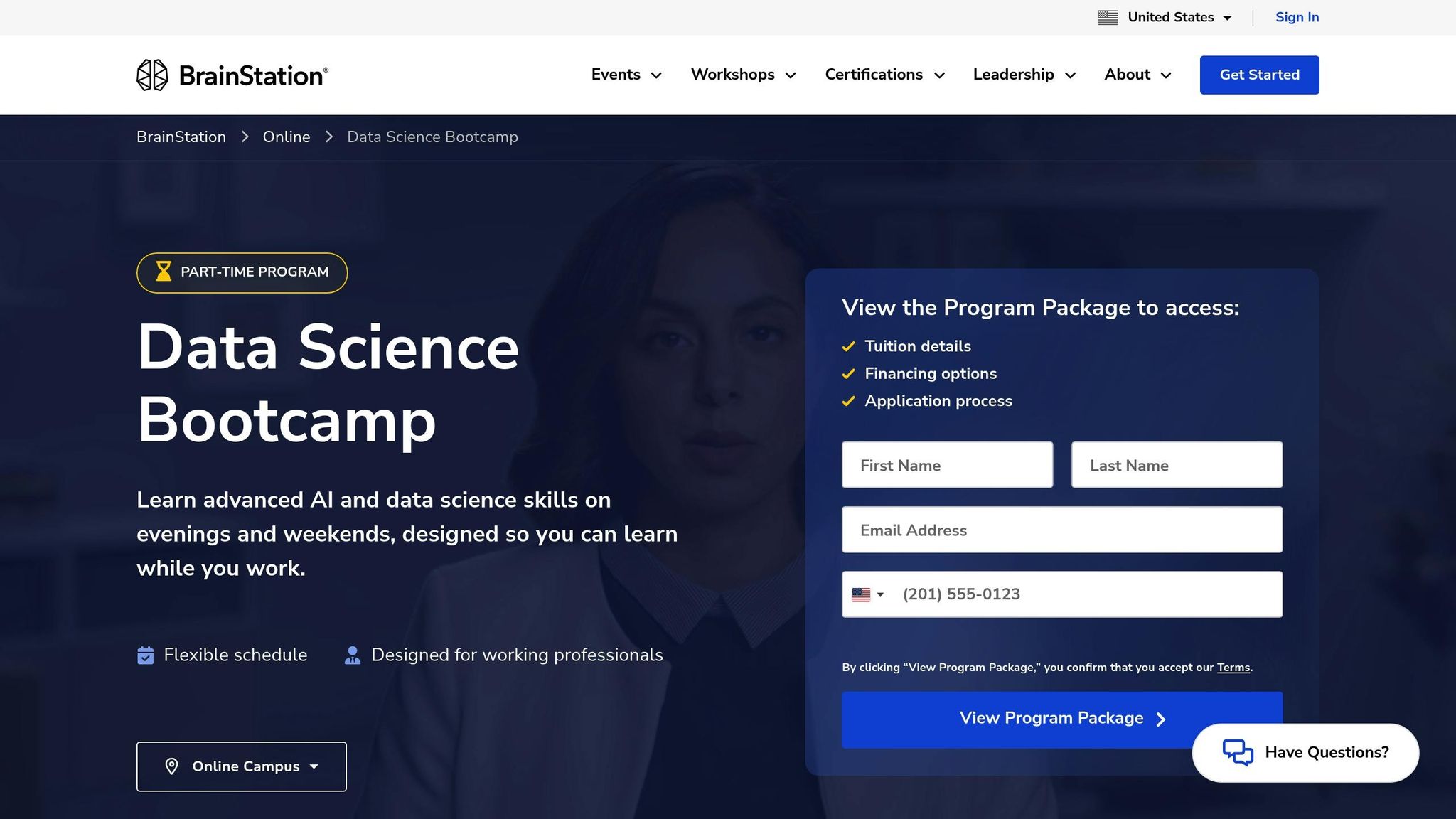
The program is available in two formats to fit different schedules. The full-time bootcamp spans 12 weeks, requiring around 40 hours of work per week. Alternatively, the part-time certificate program runs for 24 weeks, with classes held during evenings or weekends. This flexibility makes it a good option for professionals who need an intensive yet adaptable learning structure.
Curriculum Focus
The curriculum dives deep into advanced statistical modeling and machine learning, leveraging the Python scientific stack. Unlike programs that stick to Python basics, this one explores topics like hypothesis testing, probability distributions, and other descriptive and inferential statistics. It emphasizes hands-on learning, allowing students to work on real-world datasets and build a portfolio through project-based assignments.
Career Outcomes
BrainStation claims that more than 90% of its graduates secure new roles, promotions, or successfully transition into new careers. The program includes dedicated career coaching and networking opportunities, making it a strong choice for those looking to advance or pivot into data-focused roles. Up next, we’ll take a closer look at the strengths and weaknesses of these programs.
I Tried 50 Python Courses. Here are the Top 3
Strengths and Weaknesses
This section dives into the key advantages and drawbacks of each certification program, emphasizing factors like cost, flexibility, and career impact. Here's a closer look at what sets these programs apart:
DataCamp's subscription model stands out for its predictable pricing and flexible learning options. On the other hand, the Python Institute PCAP offers an industry-recognized credential at a relatively low total cost, making it an appealing choice for budget-conscious learners. For newcomers, Coursera's Python for Everybody provides a free audit option and an affordable $49 per month fee for those seeking a certificate, ensuring accessibility.
BrainStation's bootcamp, while comprehensive, demands a significant financial and time investment - 12 weeks full-time or 24 weeks part-time - which may not be ideal for those juggling work or family responsibilities. Meanwhile, the DataCamp Data Analyst track shines in hands-on practice but lacks structured career coaching, which could leave some learners needing additional support. Similarly, Coursera's specialization offers solid foundational knowledge but doesn't cover advanced statistical modeling in depth, which might limit its appeal for those pursuing more specialized roles.
Career outcomes also vary by program. Google's Advanced Data Analytics certificate boasts that 75% of graduates see positive career changes within six months of completing the course. Dataquest users report an average salary increase of $30,000, with 98% recommending the platform for career growth. These statistics highlight how carefully choosing the right certification can significantly impact professional advancement.
| Program | Cost (USD) | Duration | Key Strength | Main Weakness |
|---|---|---|---|---|
| DataCamp Python Data Associate | $25–$39/month | Self-paced | Affordable subscription and flexible learning | Lacks live instruction and career coaching |
| Python Institute PCAP | ~$295 total | Self-paced | Industry-recognized credential at low cost | Limited hands-on projects |
| Coursera Python for Everybody | Free (audit) or $49/month | 8 months (part-time) | Accessible with free audit option | Less focus on advanced statistics |
| DataCamp Data Analyst Track | $25–$39/month | Self-paced | Extensive project portfolio | No structured career support |
| BrainStation Data Science | Higher (varies by format) | 12–24 weeks | Live coaching and comprehensive projects | High cost and intensive commitment |
These comparisons can help you identify the certification that aligns best with your career aspirations. Whether you're prioritizing affordability, credential recognition, or career support, there's a program tailored to your needs. For those seeking job placement assistance post-certification, Scale.jobs offers reverse recruiter services, creating ATS-optimized resumes and handling streamlined applications. This service can save over 20 hours per week, giving you more time to focus on honing your technical skills.
Conclusion
The five certification programs outlined above cater to different needs depending on your experience level and career objectives.
For beginners, Coursera's Python for Everybody Specialization is an excellent starting point. Its 7-day free trial and beginner-friendly lessons make it easy to dive into Python programming. Similarly, the DataCamp Python Data Associate Certification offers a practical, hands-on approach for just $25 per month, allowing learners to test and develop real-world skills.
For working professionals, flexibility is key. Both DataCamp tracks and the Python Institute's PCAP Certification provide self-paced options that fit into busy schedules. The PCAP certification, priced at approximately $295, is particularly appealing for those seeking a recognized credential without the commitment of a subscription model. On the other hand, for those who prefer a more immersive experience, BrainStation's Data Science Certification includes live instruction, advanced statistical training, and career coaching. However, it does require a more significant investment of both time and money.
Budget-conscious learners have plenty of options as well. DataCamp's $25 per month subscription gives access to multiple learning tracks and certifications, offering great value for ongoing learners. Alternatively, the Python Institute's PCAP certification provides a one-time payment option, and Coursera's monthly billing model allows you to control costs based on how quickly you complete the program.
Once you've earned your certification, the next step is showcasing your skills to potential employers. While certifications can help you get past applicant tracking systems (ATS), your GitHub portfolio and tailored application materials will ultimately determine your success. Platforms like Scale.jobs can make this process easier by providing reverse recruiter services, ATS-optimized resumes, and efficient job application management. This can save you over 20 hours a week, helping you turn your new Python certification into tangible career opportunities.
FAQs
What are the career advantages of earning a Python certification in statistical analysis?
Earning a Python certification in statistical analysis can open doors to exciting career opportunities. It positions you for sought-after roles in fields like data science, analytics, and beyond. In the U.S., professionals in these areas typically earn around $80,000 per year, with job openings spanning industries such as technology, healthcare, and finance.
This certification also gives you a competitive edge in the job market. Whether you're aiming for a high-paying position or freelance work, showcasing Python expertise combined with statistical analysis skills makes a strong impression. Employers highly value this skill set for tackling complex business challenges and enabling smarter, data-driven decisions.
How can I choose the best Python certification program for statistical analysis?
Choosing the right Python certification program hinges on your career aspirations and the skills you aim to acquire. Python certifications serve as proof of your expertise, particularly in areas like statistical analysis, data science, or machine learning. To get the most out of a program, look for one that blends theoretical knowledge with hands-on projects to help you develop practical, real-world skills.
Start by matching the program to your career goals. If you're aiming for an entry-level role in data analysis, focus on certifications that cover data cleaning, visualization, and foundational statistical modeling. For those pursuing data science, look for programs that dive into machine learning tools such as scikit-learn or TensorFlow. The format of the program is another important consideration - self-paced courses offer flexibility, while university-led options often carry more prestige but may require a stricter schedule. Don't overlook factors like cost, program duration, and the institution's reputation. Certifications that include project portfolios can be particularly helpful for showcasing your abilities to potential employers.
By choosing a program aligned with your career path and learning style, you can build the skills and credentials to thrive in statistical analysis or similar fields.
Do I need any prior experience to enroll in Python certification programs for statistical analysis?
Many Python certification programs cater to learners at different skill levels, making it easier to find a course that matches your experience. For beginners, options like Dataquest’s Data Scientist in Python or Data Analyst in Python are great starting points. These programs don’t require any prior coding experience, making them ideal for those new to programming. Similarly, DeepLearning.AI’s Python for Data Analytics notes that while having a basic grasp of Python can be helpful, it’s not a strict requirement.
If you’re looking at more advanced certifications, programs like Google’s Advanced Data Analytics Professional Certificate recommend having a solid understanding of foundational analytical principles. Likewise, IBM’s Data Analysis with Python suggests that learners with intermediate Python skills will get the most out of the course. Always check the specific prerequisites of each program to ensure it aligns with your current knowledge and career goals.