Online Courses That Help You Get a Job Not Just Certificates
Learn which online courses actually lead to jobs: choose programs with hands-on projects, employer-aligned credentials, and career support that convert skills into offers.


- Job-ready skills are now more valued than traditional degrees: Employers increasingly prioritize practical abilities over theoretical qualifications.
- Hands-on learning is essential: Courses with portfolio-building projects (e.g., Google Career Certificates) help learners showcase their skills effectively.
- Employer partnerships matter: Programs backed by companies like Google, IBM, and Microsoft align with industry needs, offering better hiring opportunities.
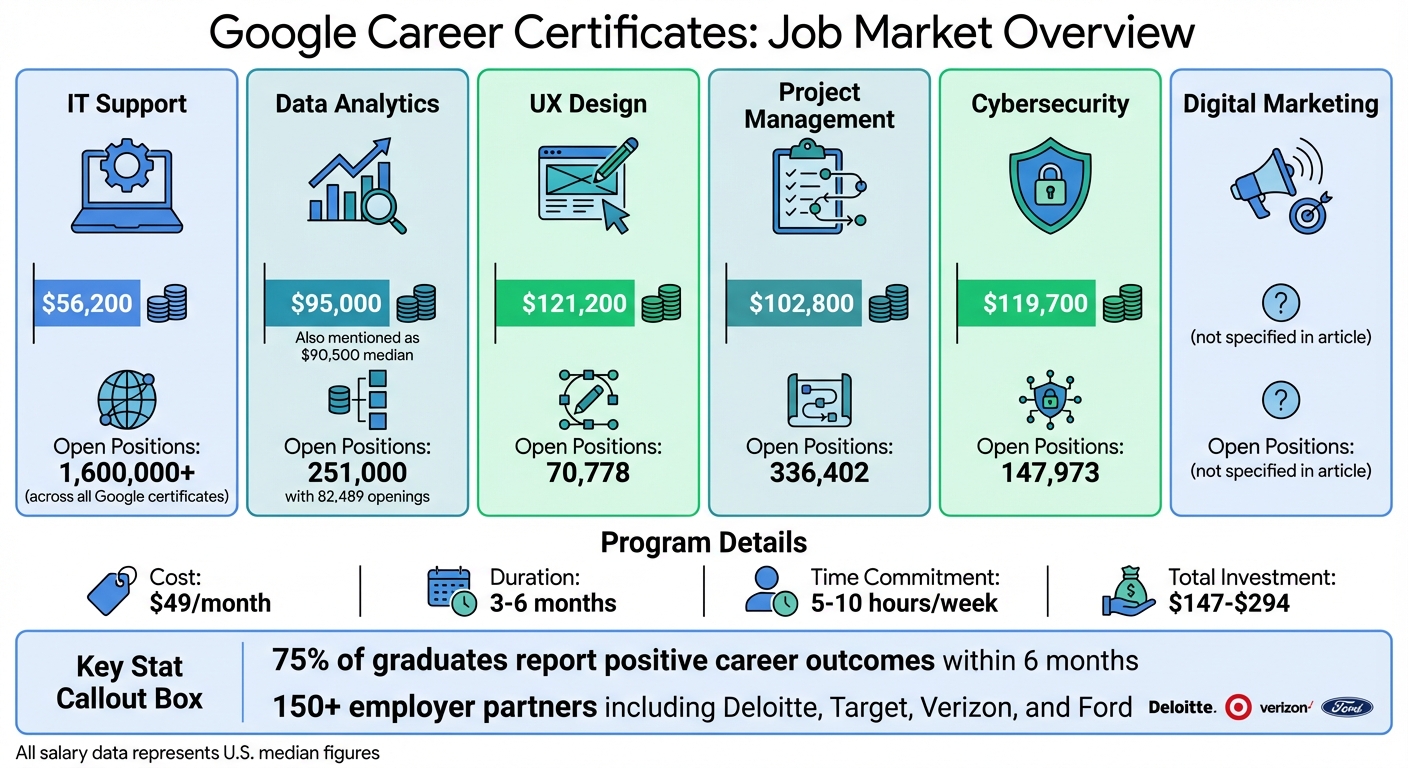
- Affordable options with strong ROI: Most job-focused courses cost under $300 and can lead to roles with starting salaries ranging from $56,200 to $119,700.
- Career support boosts outcomes: Services like resume workshops, mock interviews, and job boards bridge the gap between learning and employment.
If you’re aiming to secure a high-demand role, focus on courses that offer practical projects, employer recognition, and job placement support. Platforms like Coursera, Udemy, and General Assembly provide targeted learning paths for fields like data analytics, UX design, and cybersecurity. Pair these with tools like scale.jobs to create optimized resumes that translate your skills into interviews.
I Tried 50 Coursera Courses. Here Are Top 10 For High-Paying Jobs
What Makes an Online Course Job-Oriented
When it comes to online courses, not all are equally effective in helping you land a job. What separates a program that leads to real job offers from one that merely provides a certificate are three critical features: hands-on projects that build a portfolio, direct employer connections, and robust career services. These components transform learning into tangible career opportunities.
Hands-On Projects and Portfolio Work
Courses that focus on employment outcomes emphasize active learning through practical projects. Instead of just absorbing information, students engage with industry-standard tools to solve real-world problems. For instance, the Google Data Analytics Certificate involves working with tools like SQL, Tableau, Python, and R on case studies. Similarly, the Google UX Design program requires students to complete three full-scale projects: a mobile app, a responsive website, and a cross-platform experience. These projects use tools like Figma and Adobe XD, resulting in a portfolio that showcases a wide range of skills.
"Using the tools I learned in the certificate, I created a portfolio of work samples that showcased my ability as an analyst, and I successfully transitioned out of education and secured a full-time position in data analytics."
- Scott H., Google Certificate graduate
Programs designed around portfolio development stand out. For example, Udemy’s 100 Days of Code bootcamp challenges students to complete 100 projects, ranging from games to data applications, directly demonstrating their technical abilities. Similarly, the AI Engineer Agentic Track on Udemy involves building eight real-world AI projects using tools like OpenAI Agents SDK and CrewAI. These portfolios highlight the skills that are expected to remain in demand through 2026 and beyond.
Industry Partnerships and Employer Recognition
While a strong portfolio is essential, industry-backed courses ensure your skills are recognized by hiring managers. Programs supported by well-known companies carry more credibility. For example, the Google Career Certificates Employer Consortium includes over 150 U.S. companies - such as Deloitte, Verizon, Target, Etsy, and Ford - that actively consider graduates for entry-level roles. This is backed by data: there are over 1.6 million job postings in fields covered by these certificates.
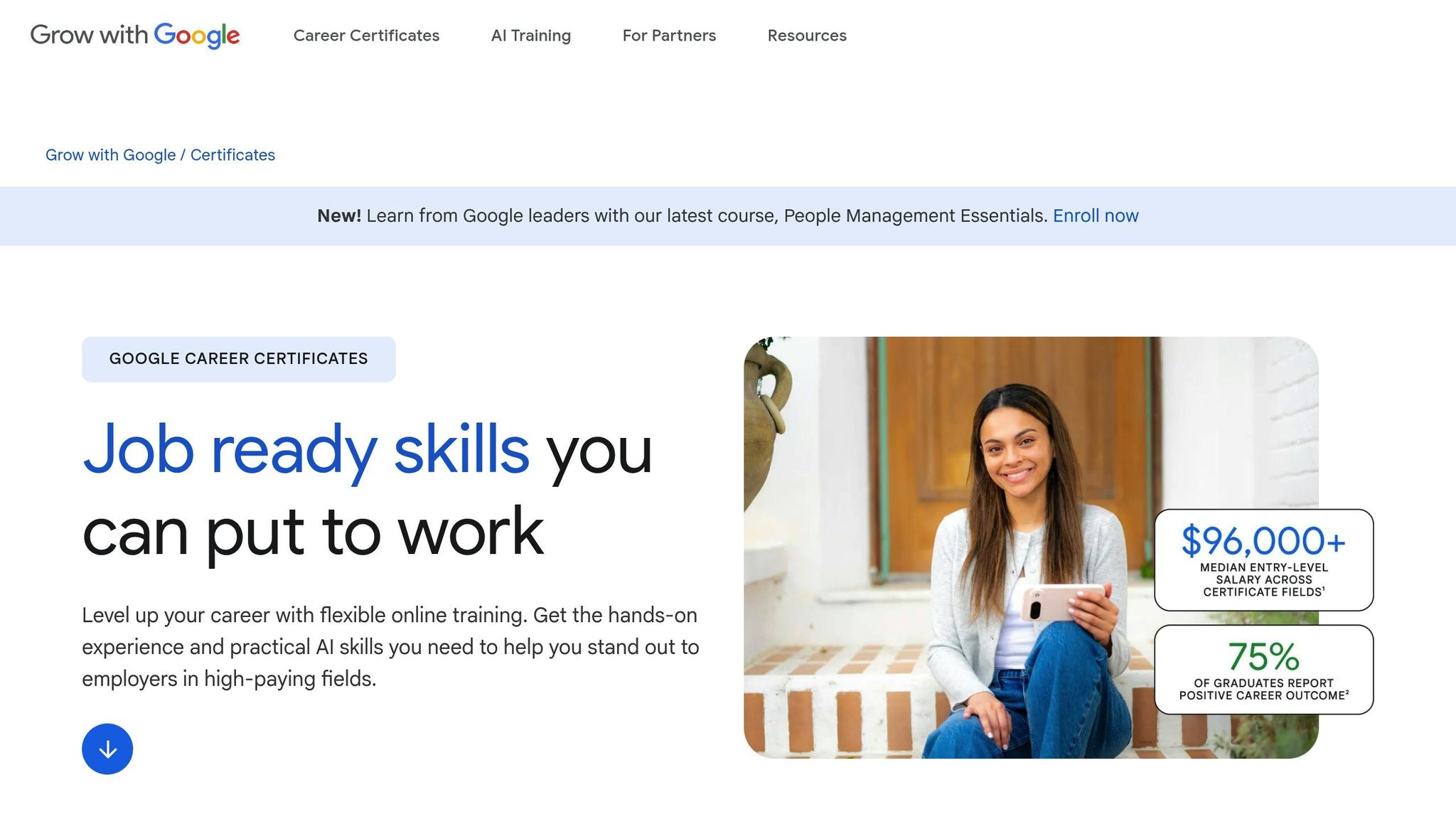
These partnerships also ensure that course content aligns with current industry needs. Companies like Google, IBM, and Microsoft design programs around the exact skills their teams require. This alignment is why 75% of Google Career Certificate graduates report positive career outcomes - like new jobs, promotions, or raises - within six months of completing the program. Additionally, many of these courses offer ACE credit recommendations, allowing participants to earn up to 15 college credits, bridging professional training with academic credentials.
Career Services and Job Placement Support
The best job-oriented courses go beyond teaching technical skills by offering comprehensive job search support. Services such as mock interviews, resume workshops, and access to exclusive job boards help bridge the gap between training and employment. For example, AI-driven tools like Gemini Live provide mock interview practice using the STAR method, while resume workshops help refine applications to highlight technical achievements and portfolio work.
If you’re looking to enhance your resume after completing a program, working with professional resume writers can be a smart move. They specialize in showcasing technical credentials and project-based work, helping you stand out for competitive roles in high-paying fields like data analytics (median salary: $90,500), UX design ($121,200), and cybersecurity ($119,700). Combining job-ready skills with a polished application can make all the difference in landing your next role.
Online Courses That Connect You to Jobs
Google Career Certificates: Salary and Job Opening Statistics by Field
Coursera: Google Career Certificates
Coursera's Google Career Certificates are designed to bridge the gap between learning and landing a job. These programs focus on high-demand fields like IT Support, Data Analytics, UX Design, Project Management, Cybersecurity, and Digital Marketing. Upon completion, graduates gain access to the Google Career Certificates Employer Consortium - a network of over 150 U.S. companies, including big names like Deloitte, Target, Verizon, and Ford, all actively seeking talent.
Priced at $49 per month, these certificates can typically be completed in 3–6 months with a time commitment of 5–10 hours per week, making them both time-efficient and budget-friendly. In addition, U.S.-based graduates receive free access to CareerCircle, where they can benefit from personalized coaching, mock interviews, and a specialized job board.
Courses such as the UX and Data Analytics certificates include hands-on projects, helping participants build a portfolio that showcases their practical skills. For example, one graduate shared how the program not only prepared him for real-world challenges but also gave him the confidence to transform his career path.
The numbers speak for themselves: there are over 251,000 open data analytics jobs in the U.S., with a median entry-level salary of $95,000. UX design roles total around 70,778, offering a median salary of $121,200, while cybersecurity positions boast a median salary close to $119,700. Furthermore, the certificates now incorporate training on AI tools like Gemini and NotebookLM, helping learners stay ahead in their job search.
Udemy: Tech and Creative Skills Training
Udemy provides a wide range of courses tailored to developing specific technical and creative skills. With a one-time payment model - often discounted to prices between $10 and $200 - learners can choose exactly what they need. While Udemy doesn't offer structured employer partnerships or comprehensive career services, its project-based courses are an excellent way to sharpen skills and build a portfolio.
General Assembly: Tech Career Bootcamps
General Assembly offers immersive bootcamps in fields like software engineering, data science, UX design, and product management. These programs combine structured learning with instructor support and peer networking. Career services such as coaching, resume workshops, and portfolio reviews are also included, helping students transition into new roles. Graduates benefit from connections with hiring partners and ongoing career support.
LinkedIn Learning: Professional Skills Development
LinkedIn Learning focuses on workplace and professional skills, including communication, leadership, project management, and business strategy. These courses complement technical expertise by enhancing the soft skills that employers value. Completed courses and certificates can be displayed on your LinkedIn profile, making it easier for recruiters to recognize your dedication to professional growth.
Simplilearn: Employer-Recognized Certifications
Simplilearn partners with top technology companies to offer certification programs that are highly regarded by employers. Specializing in IT and digital marketing, these courses focus on vendor-specific skills like AWS and Microsoft Azure certifications. Simplilearn also provides exam preparation materials and practice tests, helping you validate your expertise and stand out in competitive fields.
Why scale.jobs Wins for Turning Skills Into Job Offers
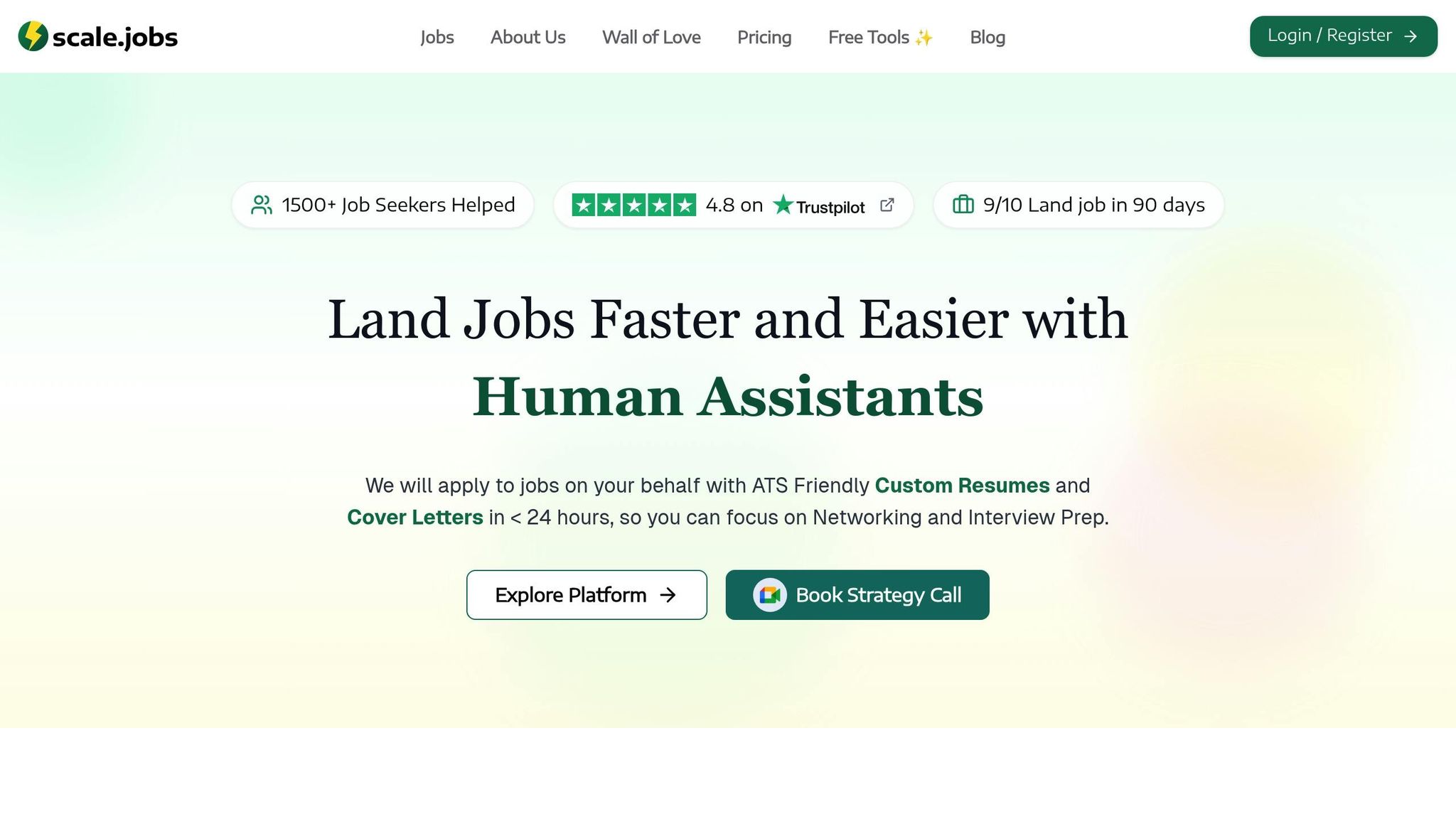
After acquiring new skills through these courses, the next step is presenting them effectively in your job applications. This is where scale.jobs excels, outperforming competitors like TopResume, ResumeGenius, and ResumeSpice. Here’s what makes scale.jobs unique:
- Human expertise, not AI templates: Unlike Resume.io or Rezi.ai, which rely on automated tools, scale.jobs assigns professional writers to craft ATS-optimized resumes tailored to your certifications and projects.
- One-time payment with unlimited revisions: Unlike services such as FindMyProfession or ResumeWorded, which charge recurring fees or per-revision costs, scale.jobs offers a transparent one-time fee, ensuring satisfaction with unlimited edits.
- Real-time WhatsApp support: Get instant guidance from a personal career assistant - an advantage over competitors like LazyApply, Simplify, and LoopCV.
- Proof-of-performance transparency: scale.jobs provides clear before-and-after comparisons of your resume's ATS performance, unlike services such as Career.io or Wonsulting, which lack transparency.
- Portfolio-focused formatting: Emphasizes hands-on projects and technical skills, particularly those gained through programs like Google Career Certificates, to ensure your abilities stand out to recruiters.
Many job seekers find that working with scale.jobs helps them showcase their technical projects and certifications effectively, creating resumes that not only pass ATS systems but also grab recruiters' attention. This is especially beneficial for career changers looking to highlight their new skills alongside their previous experience.
How to Pick the Right Course for Your Career
Identify Your Career Goals and Skill Gaps
Start by defining your ideal job and identifying the skills needed to get there. A good way to do this is by reviewing 10–15 job postings for your target role. Pay attention to recurring keywords and required qualifications. For instance, if you notice frequent mentions of Python, SQL, or specific certifications, these are clear indicators of skills to prioritize.
Platforms like Coursera's "Career Dreamer" can help you discover how your existing skills might transfer to new opportunities. It's also important to ensure the role you’re aiming for aligns with your interests and strengths. For example, if you’re considering IT Support, but technical troubleshooting isn’t your thing, it might be worth reconsidering.
Check any "Recommended Experience" listed for the course to ensure you’re not diving into advanced topics without the necessary foundation. Some programs assume prior knowledge, like basic SQL or Python skills, and skipping these prerequisites could waste your time and money. When your goals are clear, you can focus on courses that deliver practical, relevant results.
Review Course Content and Graduate Outcomes
The success of a course often reflects in the achievements of its graduates. Look for programs that share measurable outcomes. For example, many graduates of Google Professional Certificates in the U.S. report career advancements - such as promotions or higher salaries - within six months of completion.
To dig deeper, consider reaching out to alumni on LinkedIn. Ask about their experiences, whether the hands-on projects were useful during interviews, and if employers valued the certification. This type of feedback can provide a clearer picture than promotional materials alone.
Focus on courses that include practical, hands-on projects or capstone assignments you can showcase to potential employers. Programs offering "Applied Learning Projects" give you tangible examples of your abilities. Additionally, check for career support services, such as help with resumes, interview preparation, or access to job networks. For instance, working with professional resume writers, like those at scale.jobs, can turn your certifications and projects into polished, ATS-friendly documents that help secure interviews.
Once you’ve evaluated the course content and its outcomes, it’s time to assess whether the investment is worth it.
Calculate Return on Investment
After setting your goals and reviewing potential outcomes, calculate whether the course is a worthwhile financial and time investment. Add up all costs, including tuition, software, and time. For example, a Google Career Certificate costs about $49 per month and typically takes 3–6 months to complete. This results in a total cost of roughly $147–$294, along with 60–240 hours of effort.
Compare this to the potential salary increase. For example, UX Designers in the U.S. earn a median salary of $121,200, with 70,778 job openings, while Data Analysts earn $90,500 with 82,489 openings. If you’re currently earning $50,000, transitioning to a higher-paying role after certification could pay off your $300 investment in less than a week.
Factor in job demand alongside salary data. Roles in Project Management offer a median salary of $102,800 with 336,402 open positions, while Cybersecurity professionals earn $119,700 with 147,973 openings. A course costing $2,000 that leads to a $20,000 salary increase is a solid investment. On the other hand, spending $5,000 on a course for a field with limited job openings might carry more risk. Weigh the costs against potential salary gains to determine if the course is worth pursuing.
Conclusion: Start Building Job-Ready Skills Today
Landing a fulfilling career requires more than just collecting certificates - it’s about acquiring practical, job-ready skills. While traditional education can be expensive and time-consuming, online courses focused on specific career paths offer a quicker and more cost-effective alternative. In fact, 75% of those who completed Google Professional Certificates reported career advancements within just six months, underscoring the impact of targeted learning.
To make the most of your efforts, prioritize fields with high demand and competitive salaries. Opt for programs that emphasize hands-on projects, allowing you to create a portfolio that stands out to potential employers. The investment is small, but the return can be substantial.
"The certificate can take you from 0 to 100. As long as you put the work in, you will go as far as you can go." – Karim, Associate Analyst at Infosys
Once your portfolio is ready, it’s time to showcase your accomplishments to employers. Services like scale.jobs' resume writing can help translate your certifications and projects into polished, ATS-friendly resumes that bypass automated filters and land in front of hiring managers. This step ensures your hard-earned skills turn into tangible career opportunities.
The gap between available jobs and the skills needed to fill them is growing. Don’t wait - start learning today and turn your efforts into immediate career progress. Your next opportunity could begin with the first lesson you take.
FAQs
What should I look for in online courses that can help me get a job?
When selecting an online course to advance your career, focus on programs that teach practical skills you can immediately apply in workplace settings. Courses that include hands-on projects or offer proof-of-work, like portfolios or case studies, can help you demonstrate your expertise to potential employers.
Choose courses created by well-known organizations or companies, as these are often tailored to meet current industry needs. Programs with flexible learning options, such as self-paced schedules, can make it easier to fit learning into your busy life. Additionally, ensure the certifications provided are widely recognized by employers, as they can enhance your resume and LinkedIn profile.
Consider training in fields that are in high demand, such as data analytics, UX design, or cybersecurity. These courses often provide access to essential tools, relevant industry knowledge, and even interview preparation to help you secure a job once you’ve completed the program.
How do partnerships with employers make online courses more effective for career growth?
Employer partnerships enhance online courses by tailoring the skills taught to meet current industry demands, ensuring learners acquire practical, job-focused expertise. These collaborations often draw on insights from industry professionals to create relevant curricula, hands-on projects, and certifications that employers actively seek.
Beyond curriculum design, these partnerships offer tangible benefits such as networking opportunities, internships, and job placement services. Many programs also feature real-world projects that act as proof-of-work, enabling learners to showcase their abilities to potential employers. By connecting education with employment, these partnerships equip learners with a stronger advantage in the competitive job market.
What are the most valuable career support services after finishing an online course?
The best career support services after completing an online course include tailored resume and cover letter assistance, interview preparation, and job placement guidance. These services ensure your application materials are polished, ATS-friendly, and effectively highlight your new skills, giving you a better shot at landing a role.
Other valuable resources include career coaching, mock interviews, and mentorship programs, which can boost your confidence and help you feel more prepared for the job market. Many courses also offer practical tools like job search strategies, industry-recognized certifications, and connections to in-demand job openings. Combining these elements can significantly streamline your job search and set you up for success.