Best Free Online Sustainability Certifications for Beginners
Compare free, beginner-friendly online sustainability courses — topics, duration, and certificate options to build practical green skills for your career.

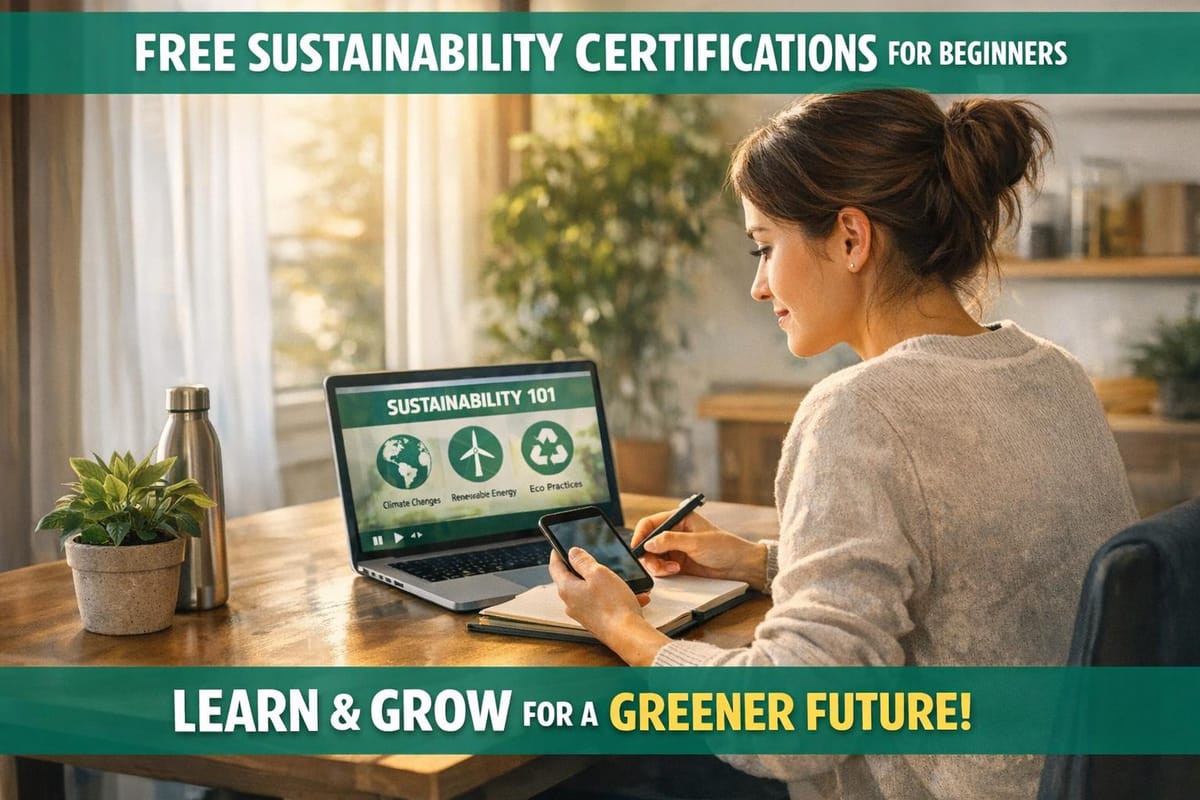
Looking to build skills in sustainability without spending a dime? Here’s a quick guide to free online certifications designed for beginners. These courses focus on practical topics like carbon footprint analysis, waste management, and renewable energy. Most programs run between 2–12 weeks and offer optional paid certificates (typically $20–$50). Perfect for career starters or those exploring green skills, these certifications can help you stand out in the job market.
Top Free Certification Platforms:
- One Click LCA Academy: Learn life cycle assessments (LCAs) and environmental product declarations (EPDs), ideal for roles in green building and product design.
- Coursera: University-led courses like ASU’s "Careers in Sustainability" and the University of Illinois’ "Introduction to Sustainability." Audit for free; certificates cost extra.
- SDG Academy: Courses based on UN Sustainable Development Goals, suitable for international development and policy roles.
- Alison: Over 100 short courses, including "Introduction to Environmental Sustainability", with CPD-accredited certificates available for purchase.
- UN SDG:Learn: Self-paced modules on clean energy, climate action, and more, with free downloadable certificates.
These certifications are a quick, cost-effective way to boost your resume and gain knowledge in the growing green economy. Add completed courses to LinkedIn or your resume to attract recruiters. Ready to get started? Choose a course that aligns with your goals and dive in today.
5 Free ESG / Sustainability Certifications to crack your next interview
Best Free Online Sustainability Certification Courses
These courses are free to access, with optional paid certificates if you want official recognition. They’re designed for beginners and can usually be completed in just a few weeks, depending on your schedule. Below, you’ll find key details about each course to help you decide which one aligns with your sustainability goals.
One Click LCA Academy Free Courses
One Click LCA Academy focuses on life cycle assessments (LCAs) and environmental product declarations (EPDs) - skills that are becoming more important in areas like green building, manufacturing, and product design. These self-paced modules teach you how to calculate and reduce the carbon footprint of buildings and materials. The courses are tailored for professionals stepping into sustainability consulting or construction roles, and their certifications are recognized by leaders in the built environment sector.
Coursera Free Sustainability Courses
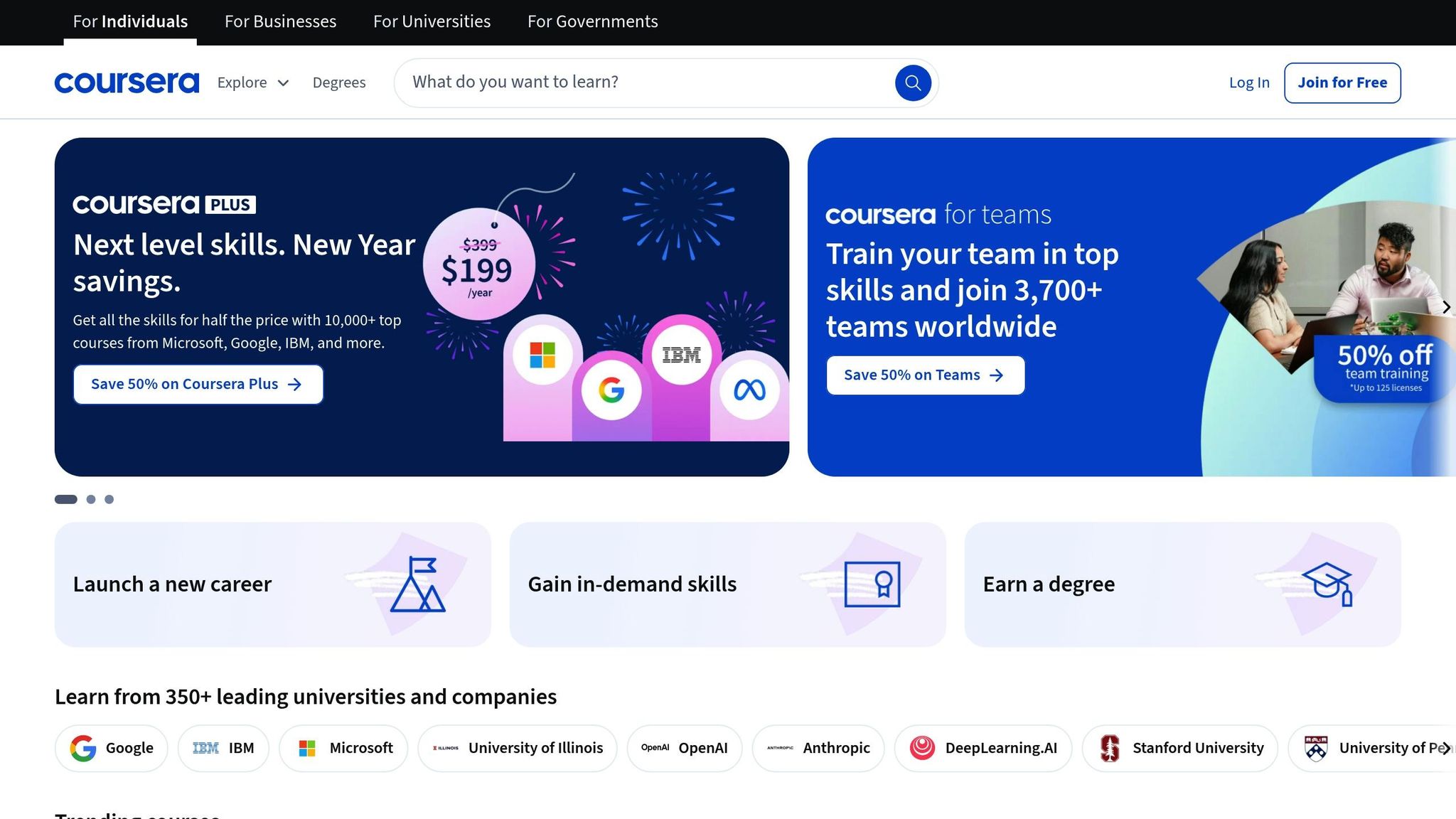
Coursera offers a variety of beginner-friendly sustainability courses from respected universities. For instance, Arizona State University (ASU) provides the course "Careers in Sustainability", which takes around 10 hours to complete and covers topics like data analysis, sustainability reporting, and product lifecycle management - skills that are directly relevant for roles like Sustainability Analyst. This course has earned a 4.4/5 rating from 66 reviews.
Another popular option is the University of Illinois’ "Introduction to Sustainability", which has attracted 171,545+ learners and boasts a 4.8/5 rating from 2,662 reviews. This 3-week course (30 hours total) explores topics such as population dynamics, ecosystems, and environmental economics. You can audit these courses for free through the "Full Course, No Certificate" option, which gives you access to all materials and assessments. If you want a certificate, you’ll need to pay a fee or subscribe to Coursera Plus ($199–$399).
SDG Academy Courses
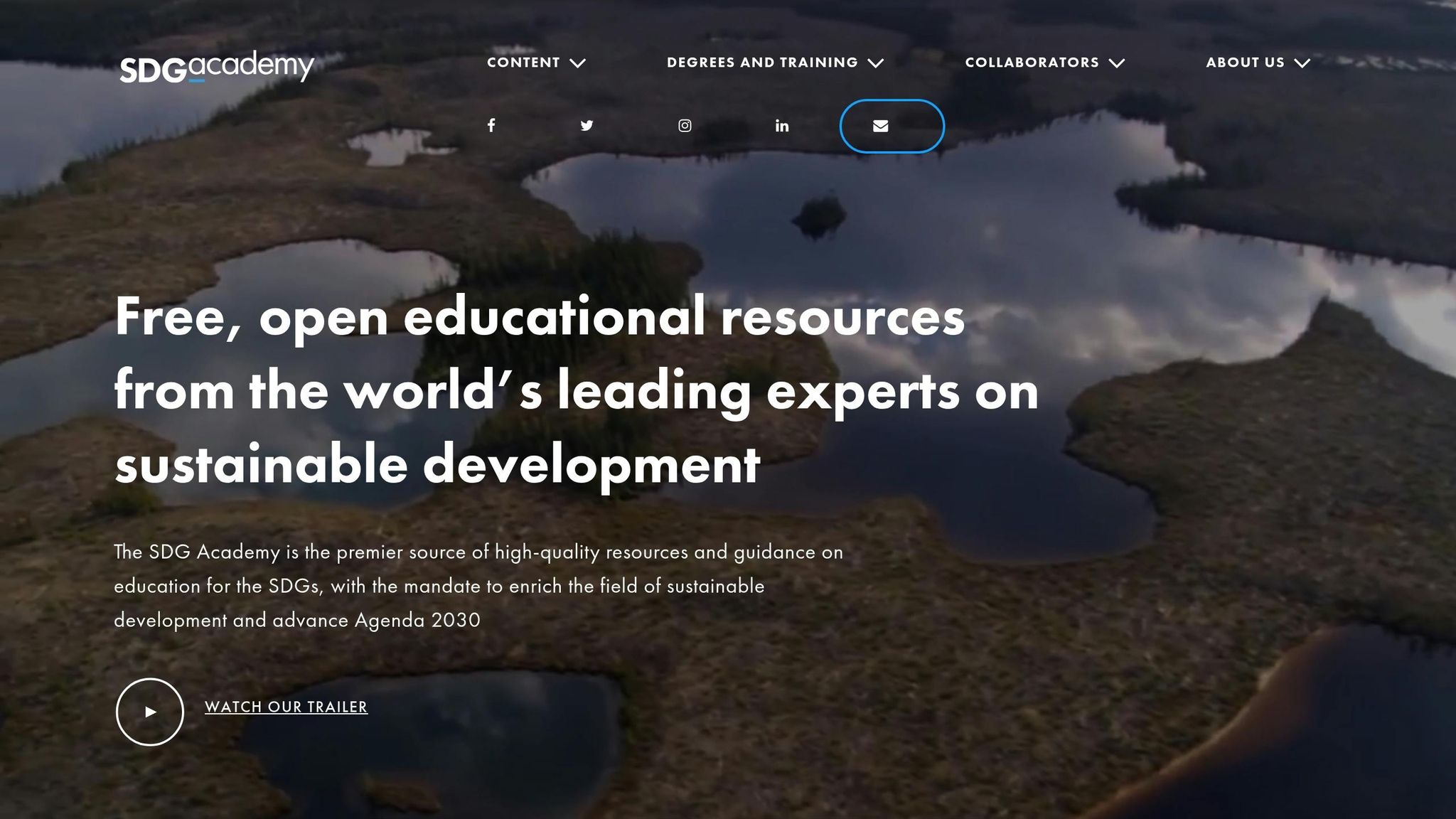
SDG Academy offers free courses inspired by the United Nations Sustainable Development Goals (SDGs). Lessons are taught by global experts and include real-world case studies, making them practical and easy to follow. These self-paced courses feature video lectures, quizzes, and downloadable resources. If you’re interested in international development, nonprofit work, or policy roles, these certifications are particularly relevant due to their alignment with UN frameworks.
Alison Free Sustainability Courses
Alison provides access to over 100 free sustainability courses, including the popular "Introduction to Environmental Sustainability", which takes just 1.5–3 hours to complete. With 27,544 learners enrolled, this course covers eco-footprints, resource management, and sustainable materials - essential topics for beginners. Alison’s courses are CPD-accredited (Continuing Professional Development), meaning they’re recognized for professional growth and can contribute to workplace training. The platform has issued over 70,444 certificates and diplomas in this category. While all courses are free to study, certificates can be purchased separately through the Alison Shop.
UN SDG:Learn Resources
UN SDG:Learn provides free self-paced courses, short learning modules, and quizzes based on the Sustainable Development Goals. The platform is designed for flexibility, allowing you to work through lessons at your own pace on your phone or laptop. Content is beginner-friendly and focuses on practical topics like clean energy, sustainable cities, and climate action. Courses include interactive quizzes to reinforce learning, and you can download certificates upon completion. Developed by the UN, these courses are particularly useful for those aiming to work with international organizations, government agencies, or NGOs focused on global sustainability projects.
Platform Comparison
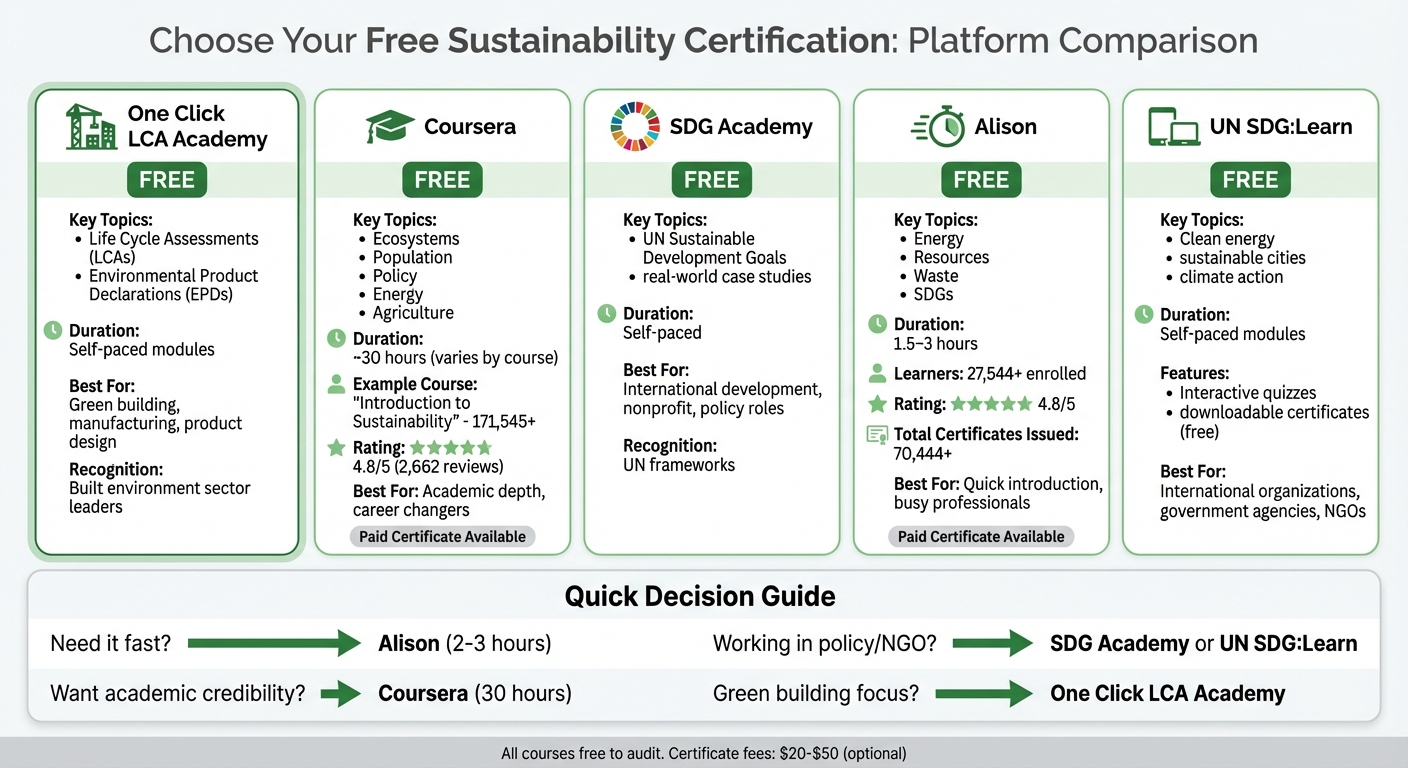
Free Sustainability Certification Platforms Comparison: Duration, Topics, and Ratings
Let’s break down the key differences between Alison and Coursera to help you decide which platform fits your learning style and career goals. Both platforms offer courses that vary in depth, intensity, and time commitment.
Alison is ideal for those seeking a quick, beginner-friendly introduction. Most courses can be completed in just a few hours, making it a great option for professionals looking to enhance their knowledge without a significant time investment. Their CPD-accredited certificates are designed to support professional development.
Coursera, on the other hand, dives deeper into academic content. With university-led courses, it covers complex topics like ecosystems, population dynamics, and environmental policies. These courses require more time - around 30 hours on average - but the university-branded certificates provide strong academic credibility.
Both platforms aim to expand your understanding of sustainability and prepare you for opportunities in the growing green economy.
Comparison Table
Here’s a side-by-side look at the key features of Alison and Coursera:
| Platform | Key Topics | Duration | Certification Type | Beginner Suitability | User Ratings |
|---|---|---|---|---|---|
| Alison | Energy, Resources, Waste, SDGs | 2–3 hours | CPD Accredited Certificate | High (Short, no prerequisites) | 4.8/5 |
| Coursera | Ecosystems, Population, Policy, Energy, Agriculture | ~30 hours (varies by course) | University-branded Shareable Certificate | Moderate/High (Academic depth) | 4.8/5 (2,662 reviews) |
Use this table to weigh your options and choose the certification that best aligns with your learning needs and career objectives.
How to Choose the Right Certification
Now that you’re familiar with the perks of earning sustainability certifications, let’s talk about picking the one that fits your career path. Your choice should align with where you are professionally. If you’re just starting out, go for certifications that offer broad recognition. Look for programs backed by major employers like Google, Microsoft, or EY. For those switching careers, certifications that show domain expertise - like the EY Green Skills Passport - can be a game-changer. This particular program even includes resume writing and interview prep tailored to sustainability roles. If you’re already established in the field, focus on specialized courses, such as those covering ISO standards or environmental management systems.
Think about the time commitment. For example, Alison’s certificates take just 2–3 hours, while more intensive programs like the UK Level 2 Certificate require 6–12 weeks, with 5–10 hours of study per week. Even shorter courses can open doors in the growing green economy, but make sure the schedule works for you.
Employer recognition is another critical factor. Certifications from CPD-accredited programs or well-known institutions can significantly boost your career. Here’s why:
- Courses backed by employers enhance credibility
- Recognized by big names like Google, Target, and Verizon
- Graduates often report tangible career benefits
University-branded certificates from platforms like Coursera also carry academic weight, which can be an advantage over some self-paced courses. These details can help you zero in on the certification that best supports your career goals.
Start small and build strategically. A short certification can help you test the waters, and from there, you can stack skills to create what experts call "expertise clusters." Pair sustainability knowledge with complementary skills like data analytics or project management for a well-rounded profile. Once you complete a course, add it to the "Licenses & Certifications" section on LinkedIn to increase your visibility to recruiters.
Need help translating certifications into a recruiter-friendly resume? Check out scale.jobs for free tools like the Resume ATS Checker and Cover Letter Generator. Also, don’t forget to see if your employer offers reimbursement for certification fees as part of their professional development programs. This could make your investment even more worthwhile.
Conclusion
Free certifications in sustainability offer a risk-free way to step into one of the fastest-growing fields today. With the International Labor Organization predicting 24 million new green jobs by 2030, now is an ideal time to start building your knowledge base. These courses are accessible to everyone - no prior experience needed - and typically take between 2 to 10 hours to complete. They cover essential topics like carbon footprints, circular economy principles, and the UN's Sustainable Development Goals.
You can even stack multiple certifications in a short amount of time. For instance, you could complete Alison's 3-hour introductory course, the EY Green Skills Passport for employability training, and a Coursera specialization in sustainability-focused data analysis. Each certification adds weight to your resume and increases your chances of catching a recruiter's attention. In fact, candidates with certifications from well-known organizations are three times more likely to get interview calls. These credentials not only make your profile stand out but also equip you for the competitive green job market.
Choose courses that align with your career goals and start right away. Whether you're considering a career shift or simply adding green skills to your current role, these programs provide both the knowledge and qualifications to move forward.
Once you've earned your certifications, use them to your advantage. Add them to the "Licenses & Certifications" section of your resume and update your LinkedIn profile using an AI resume builder. Tools like scale.jobs' ATS Resume Checker can help ensure your certifications are optimized for applicant tracking systems. They even offer a Cover Letter Generator to help explain how your new skills address employer needs.
The green economy is growing fast - there’s no better time to get started with these free certifications.
FAQs
What are the benefits of earning a sustainability certification?
Earning a sustainability certification comes with several advantages that can elevate your career. For starters, it highlights your knowledge and commitment to sustainable practices, helping you stand out in a crowded job market. Employers are often drawn to candidates who can bring expertise in this area, giving you a competitive edge.
Beyond boosting your career prospects, these certifications equip you with practical tools to drive sustainability efforts within organizations. They’re not just about theory - they focus on actionable skills you can apply in real-world scenarios.
On top of that, adding such credentials to your résumé signals to employers that you’re serious about environmental responsibility and sustainability, making you a strong contender in industries where these values are a priority.
Are free online sustainability certifications as valuable as paid ones?
Free sustainability certifications from well-known organizations like the UN, World Bank, or leading universities can be an excellent way for beginners to get started. These courses are a great resource for gaining basic knowledge and showing an interest in the field.
That said, they often don’t carry the same weight with employers as paid certifications such as GRI, CSRD, or ESG analyst credentials. These industry-recognized certifications are more likely to make an impact on your resume, especially in competitive job markets. Investing in one of these can be a smart move for those looking to advance their careers in sustainability.
What’s the best free online course for beginners interested in sustainability?
If you’re just starting to explore the world of sustainability and want a simple, beginner-friendly course, Alison’s free “Introduction to Environmental Sustainability” could be a great pick. It breaks down the fundamentals of environmental sustainability in an easy-to-digest format, making it ideal for newcomers. The course is straightforward, concise, and aims to give you a solid grasp of the core concepts in sustainability.