

Can AI Replace Humans in Job Applications? A Real Comparison
A clear comparison of AI-driven bulk applications and human-assisted services, covering ATS risks, costs, callback rates, and when to choose each approach.

A clear comparison of AI-driven bulk applications and human-assisted services, covering ATS risks, costs, callback rates, and when to choose each approach.

A 5-minute resume audit to fix formatting, keywords, and achievement bullets so your resume passes ATS and attracts recruiter calls.

Compare a DIY AI resume builder with a human-managed application service to see which shortlists candidates faster and handles ATS more effectively.

Compare a DIY ATS-friendly resume builder with a human-assisted bulk application service to see which passes ATS checks and saves you time.

Compare Rezi's AI resume optimization with Scale.jobs' human-assisted application service to see which improves your interview chances.
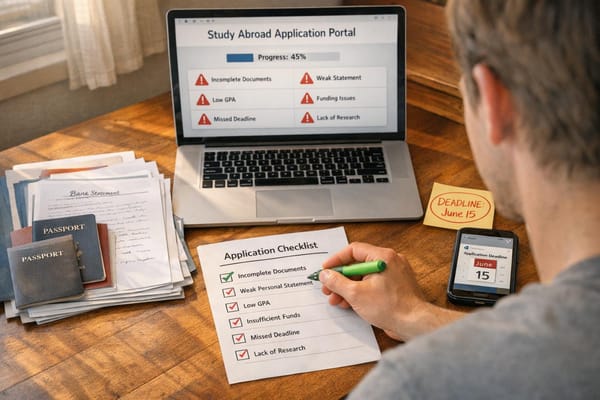
Six common study-abroad application errors—missing documents, weak SOPs, missed deadlines, financial gaps, poor research, and weak interviews—cause most visa denials.

Explore Canada, Germany, Australia, Portugal, and Mexico—jobs, salaries, visas, and cost-of-living insights for U.S. graduates seeking work abroad.

Checklist for OPT students: target H1B sponsors, build ATS-friendly resumes, track OPT/STEM OPT and H1B deadlines, and use manual application services to improve lottery odds.

Guide to fully funded study abroad options for U.S. students in 2026, covering top scholarships, eligibility, funding details, and key deadlines.

Human-led, ATS-optimized resume and application services often outperform generic AI or bot tools for fresh graduates seeking their first jobs.

How work authorization length, sponsorship costs, and compliance shape employer decisions between OPT, STEM OPT, and H‑1B.

Your resume is getting ignored because of missing keywords, poor formatting, and generic content—fix ATS parsing, tailor achievements, or use human-assisted apps.